Simplistic, tokenistic labels are fuelling the isolation and loneliness that some men are experiencing and having an often-detrimental effect on their mental and physical well-being .
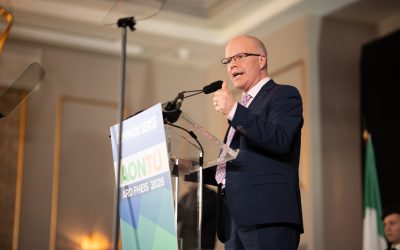
Aontú Senator Sarah O’ Reilly says
“The Real Face of Men’s Health” report, a major report commissioned by the Movember Institute of Men’s Health, lays bare the real face of men’s health across the country, particularly amongst young famers and those in rural areas .
Shockingly men are at a higher risk of premature death than women, with men from the travelling community facing even higher levels.
Too often, men are struggling in silence as they are less inclined to talk about their problems and express their feelings.
The term “toxic masculinity” has been used as a catch-all explanation for young men’s frustration and isolation. This label is too simplistic and is doing a gross disservice to very ,very many men.
Beneath the surface, many men are wrestling with a profound absence of belonging, identity and purpose. This report lays out the stark reality of men’s physical and emotional health, particularly those of young farmers. I know of many young men across Cavan Monaghan who have battled mental health difficulties and who felt they had nowhere to turn or no one to talk to. We are all aware, especially after Covid, how disconnected and lonely many people can feel and this is all the more acute for lots of people now that we’re in Autumn and facing longer nights and shorter days.
What is really concerning about this report “The Real Face of Men’s Health) is nearly all GPs (97%) surveyed saw male patients presenting with suicidal behaviour in the past year – yet only 14% felt very confident working with them
The fact that nearly one quarter of the GPs surveyed said that they were not confident treating men presenting with suicidal behaviour is really concerning.
In this regard, they cited a lack of crisis services, poor access to mental supports and the difficulty in getting honest communication from male patients. We have positive examples of how to tackle these issues.
Even healthcare professionals feel unequipped.
What we are missing is the investment to grow and expand the services that are required.
In 2009, Ireland launched a National Men’s Health Policy- a global first. In the intervening years, two further action plans have been launched, yet progress on implementation has been glacial hindered, in the main, to a significant lack of commitment on the part of the government to commit resources to realise the plan’s ambitions. For instance, last year, the Government committed only €1.2million to men’s health programmes, initiatives and resources.
Worryingly, the Department of Health has not yet published a breakdown of where the budget spend is going for this fiscal year which is very, very strange.
Initiatives such as the Men’s Sheds show how vital community spaces can provide men with a space to connect with one another. Out-of-hours crisis supports like the Solace Café could play the same role and offer immediate help when men most need it. Men need to know that if they do ask for help there will be real accessible supports for them. People with lived experience of suicidal ideation have spoken at length about how just knowing they had a place to go made a critical difference in their lives.