An Aontú motion calling on Mayo County Council to reaffirm its support and protection of Ireland’s Triple Lock has been carried at this month’s meeting of the local authority.
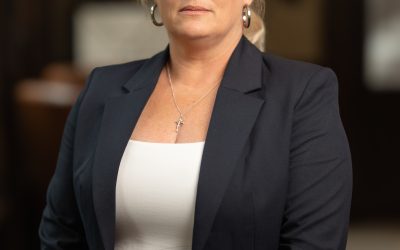
Speaking after the passing of the motion, Cllr Lawless praised the Sinn Fein councillors, together with some Independents who supported and praised it, saying it was “heartening that they put aside party differences for the overall good of the country” .
While putting forward the view that it was for ‘national Parliament to decide’ Fianna Fail and Fine Gael members did not oppose.
Bringing forward the motion, Cllr Lawless urged her fellow councillors to support it, saying it is an issue of concern to all and of huge local relevance as its removal could lead to the ‘blood of Mayo men and women being shed on foreign soil’ and reminding them that the Triple Lock underscores Ireland’s long-standing commitment to neutrality which has been a cornerstone of our nation’s identity.
“The Triple Lock has ensured that Ireland’s participation in overseas missions (with more than 12 defence personnel) would always require approval from: 1. The Cabinet 2. Dáil Éireann and 3. The Security Council or the General Assembly. In 2001, the Irish people rejected the Nice Treaty over concerns that it would drag Ireland into EU military structures that would threaten our neutrality. To get the electorate to approve the EU Treaty, the government with the agreement of the other EU Member States, through a “solemn declaration” introduced the Triple Lock. This Declaration was reiterated following initial rejection of the subsequent Lisbon Treaty.
Throughout our history, we have stood as a voice for peace, diplomacy, and humanitarianism on the world stage. We have shown that a country does not need to engage in warfare to make an impact; rather, we can be a force for justice by upholding international law, advocating for ceasefires, and offering humanitarian aid. The Irish Defence Forces have made invaluable contributions to peacekeeping missions worldwide, demonstrating that our role should be one of mediation, not militarisation
I believe this government is using the current crisis in Ukraine as a mechanism to start sending Irish troops as part of EU missions. Last week Micheál Martin attended a meeting where 26 countries agreed to form a so-called “security force”. The language here does not suggest peaceful resolutions. It suggests the undoing of Irish neutrality. He calls it a “coalition of the willing.” But who was asked if we were willing to see our neutrality eroded? Did we vote to send our sons and daughters, brothers and sisters to the trenches? We did not!
This government seems set to scrap the Triple Lock. This is so they can tie us into EU militarisation, put Ireland into new military blocs, and drag us closer to NATO. And who will pay the price? It won’t be government politicians; it won’t be the rich. It will be regular men and women pushed toward the industrial slaughter that is modern war.
We are facing the threat of a ruling class willing to throw whole generations into the trenches for greed, profiteering, and the corruption of tyrants, bureaucrats, and oligarchs.
At a time when Irish population is in decline, more than ever, we need our young men and women here at home. We need to encourage and incentivise Irish people to have more children-not send our young men and women to war ensuring a further decline in the native population, and of course, unnecessary loss of life.
The government’s move to weaken the Triple Lock is deeply concerning. This mechanism ensures that any deployment of Irish troops requires not only Dáil approval but also a UN mandate, reflecting our commitment to multilateralism and global consensus. Removing these safeguards would fundamentally alter our stance, eroding the trust of the Irish people who overwhelmingly support neutrality.
Scepticism about government assurances is entirely justified. In a time when public confidence in leadership has been eroded by crises in healthcare, housing, and social services, there is little reason to believe that military decision-making would be handled with any greater prudence. The fear that this, and future governments, may entangle us in foreign conflicts without public mandate is not unfounded.
Now, more than ever, Ireland should be a beacon of peace in a world gripped by conflict. Instead of preparing to send soldiers into battle, we should strengthen our diplomatic efforts, lead humanitarian responses, and work through international institutions to push for peace.
We must stop this push towards escalation and war. We must defend our triple lock. Let’s become a leader in peace- not a follower in war. We owe it to those who will inherit this nation not merely to preserve neutrality as a memory, but to advance it as a discipline”.