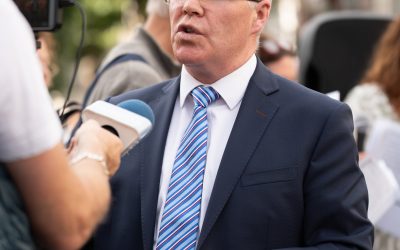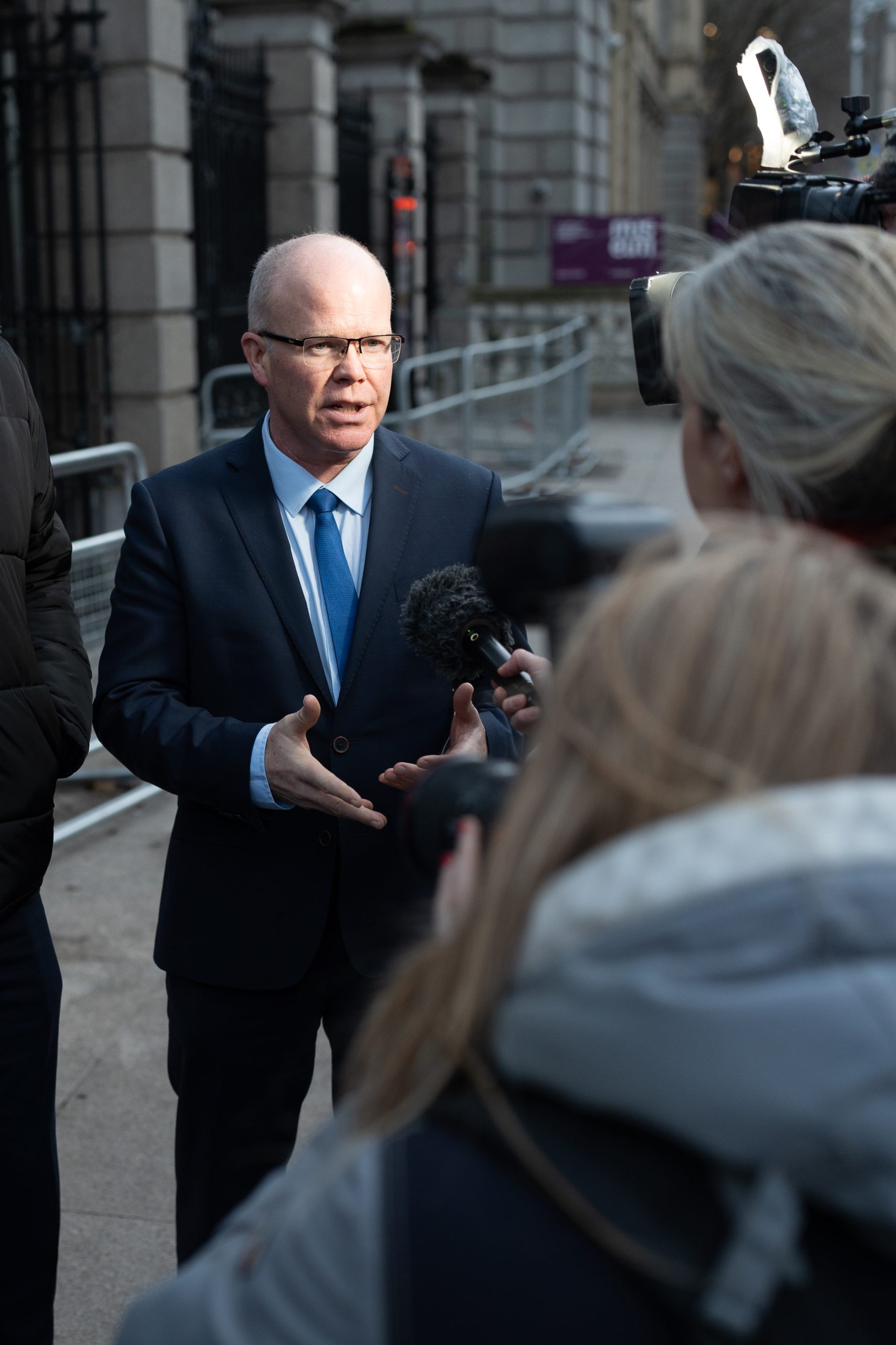
Aontú Leader and Meath West TD Peadar Toibín, has criticised the Government for failing to provide basic transparency on public money owed by current and former Ministers following pension calculation errors identified in 2025.
The criticism follows a written parliamentary reply to questions raised by Deputy Tóibín, which confirmed that pension under‑deductions resulted in overpayments to current and former Ministers, Ministers of State and other officeholders. While the Department stated that all current Ministers have entered repayment arrangements, it also acknowledged that only a “majority” of former Ministers and officeholders have agreed repayment plans. No figures were provided on how many individuals remain outside these arrangements or how much public money is still outstanding.
The Deputy said “The refusal to provide clear information is unacceptable. The Government has confirmed that pension overpayments occurred, but it will not tell the public how much money is owed, how many former officeholders are involved, or when the State expects to recover the funds. That level of opacity would not be tolerated in any other area of public finance.”
“The language used in the reply contrasts sharply with the standards applied to ordinary citizens. If an ordinary worker owed money to the State, they would face a clear demand and a defined repayment timeline. In this case, we are seeing vague assurances and open‑ended engagement when it comes to those who held the most powerful positions in the country.”
“The issue goes beyond administrative error and speaks to public trust. This is public money. People are entitled to know how much is owed, who still owes it, and when it will be paid back. Transparency and accountability must apply equally, regardless of status or office. I am calling on the Government to publish the total value of pension overpayments, the number of individuals still without repayment agreements, and a clear timetable for the recovery of all outstanding funds.”
“Without full disclosure, confidence in how public money is managed will continue to be eroded.” Concluded the Deputy