Drug dealing and use has been found to be present in primary schools in Dublin 15.
The Blanchardstown Local Drug and Alcohol Task Force (BLDATF) has published its research findings from its Drug and Alcohol Trends Monitoring System (DATMS). (July 2025)
This is the 9th year of the report and shows for the first time how drug use and dealing was reported in local primary schools. These primary and secondary schools are a mixture of affluent and socio-economically deprived, including those with and without DEIS status. This data indicates that drug use is a community wide issue crossing all socio-economic boundaries.
The report provides the evidence base for drug use in Dublin 15 and the data is used to inform service provision.
Official research shows that there has been a serious increase in overall drug related harm in the D 15 area.
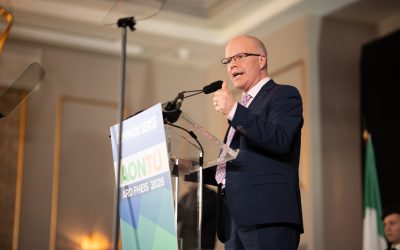
Aontú Cllr Ellen Troy who sits on the Tack Force says
“This is shocking and while we have all heard the anecdotal stories of drug dealing and use amongst primary school children, to see it laid out in cold, hard and factual evidence is chilling. These are very young children. It is really worrying for parents, teachers and the community alike.
The key findings are startling and show without a shadow of a doubt how drug use and its associated harm is increasing in D 15”.
Since 2012, there has been a significant increase in the number of under 18s and adults affected by drug and alcohol use in Dublin 15, either through their own addiction or that of family members. This increase was associated with an increase in the use and availability of drugs and alcohol, and an increase in the number of people attending treatment and family support services. From 2021 to 2023, there has been a 6% increase in the number of children affected by familial drug or alcohol use, from 385 to 409 of treated drug use and family support cases. Data shows that the extent of hidden harm in Dublin 15 is underrepresented, while data shows that the overall rate of help-seeking for treatment and family support is low.
This is deeply concerning and doesn’t auger well as we know that seeking help and receiving treatment is vital towards recovery.
The report findings also show that there is a growing normalisation of drug and alcohol use which is insidious and very damaging. Young people under 18 years of age are using cocaine and benzodiazepines and feel it is a totally normal and recreational thing to do.
We know too that drug use it is crossing all socio-economic groups, and this kind of substance use is reported in all areas of D 15, though issues are more pronounced in socio-economically deprived communities.
Frighteningly there is evidence of drug use during school hours in all local secondary schools. Easy access to drugs continues and is facilitated by an increase in the number of under 18s dealing, with evidence of drug dealing in all local secondary schools.
Cllr Troy continues
“We in Aontú have consistently highlighted the growing concerns around drug use in local communities, pointing to the urgent need for comprehensive preventative measures. We have stressed that tackling this issue requires not only greater investment in education, support services, and youth outreach, but also a significant increase in Garda presence to deter drug dealing and protect vulnerable young people. Enhanced resources and a strong, visible Garda strategy are vital steps in safeguarding primary and secondary school students from the pervasive influence of drugs in Dublin 15.
The Blanchardstown Local Drug and Alcohol Task Force (BLDATF) does a huge amount of work and this body of research is evidence based and must serve to act as a serious wake up call for this government. Funding is being hollowed out to groups who are doing really good and concrete work on the ground, and they must be supported as much as possible.
We cannot afford to lose a generation to the scourge of drugs and sacrifice people’s physical and mental health, lives and futures”.